

Calm Attention: A Practical Ritual for Daily Presence
Calm Attention is a focused mental state that balances clarity with ease. It is not about forcing silence or shutting down thought. It is a gentle settling that allows awareness to rest on one thing at a time while remaining receptive to the wider field of experience. For anyone building rituals that support mental clarity and emotional balance, Calm Attention is a foundational skill. This article explores what Calm Attention is, why it matters, and how to create simple daily practices that anchor this state in real life. For resources and guided content that complement these ideas visit focusmindflow.com.
Why Calm Attention Matters
In modern life attention is often scattered. Tasks pull us in many directions at once and the mind shifts rapidly between concerns. This constant motion reduces our capacity to perform deep work, to enjoy moments fully, and to regulate emotions. Calm Attention repairs that loss of focus by training the brain to remain steady. When attention is calm two major shifts occur. First, cognitive load decreases because fewer mental resources are wasted on reorientation. Second, emotional tone softens because calmly attending to the present prevents escalation of worry or reactivity. These shifts enhance productivity and improve relationships.
The Science Behind Calm Attention
Neuroscience shows that attention and emotion share overlapping networks. Practices that stabilize attention increase activity in brain areas associated with executive function and decrease activity in circuits that drive rumination. Research on attention training also links regular practice with improved working memory and reduced stress markers. In plain terms, practicing Calm Attention rewires habitual patterns so that focus becomes easier and lasting.
Daily Rituals to Cultivate Calm Attention
Rituals are repeated actions that cue the brain to move into a specific state. To cultivate Calm Attention design rituals that are simple, repeatable, and context anchored. Here are practical rituals to embed this capacity into daily life.
- Morning grounding Start the day with three quiet minutes of breath awareness. Sit comfortably. Follow the inhalation and exhalation with gentle curiosity. When the mind wanders bring it back kindly. This brief ritual sets a tone of gentle focus.
- Single task segments Break work into small focused segments of manageable length. Before each segment set an intention that you will offer Calm Attention to the task. Use a timer if helpful to create a clear beginning and ending.
- Transition pause Between meetings or activities pause for one full breath. Use that breath to release residual tension and to reset attention for what comes next.
- Evening review Close the day with a short reflection. Recall moments where attention felt steady and areas where it drifted. Make a gentle plan for the next day based on what you notice.
Breathing Practices That Support Calm Attention
Breath is a reliable anchor for attention because it is always present and available. Here are accessible breathing practices that strengthen Calm Attention.
- Counting breath Count each inhalation and exhalation up to five and then start again. When the count fades or the mind wanders return to one without judgment.
- Square breath Inhale for a comfortable count then exhale for the same count. Keep the cycle even and gentle. This regular rhythm calms the nervous system and supports steady attention.
- Sensory breath Focus on the subtle sensations of breath at the nostrils or chest. Attention on sensation rather than thought anchors presence more reliably.
Environmental Rituals That Encourage Calm Attention
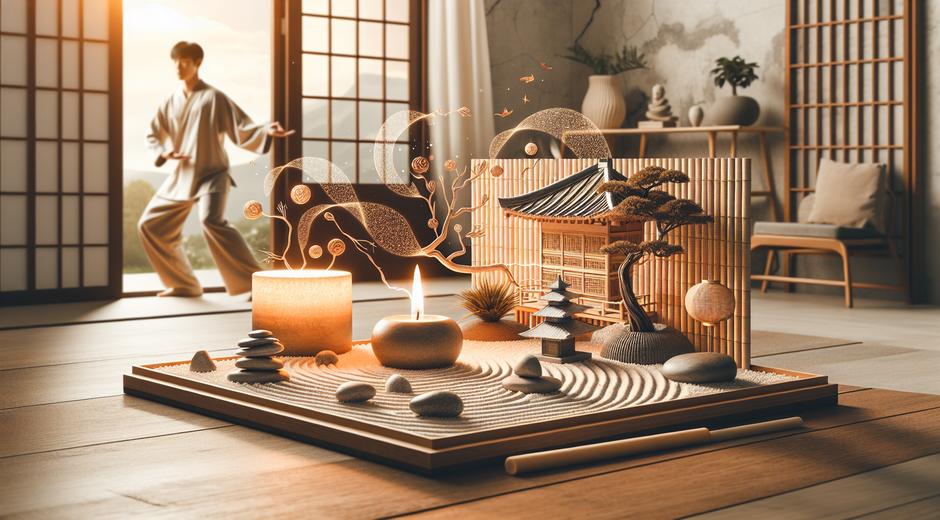
Physical space influences mental habits. A simple and peaceful environment invites the mind to slow. Consider these adjustments to create a space that supports Calm Attention. Reduce visual clutter. Arrange a small corner with a cushion or chair that is reserved for practice. Use soft lighting and natural elements when possible. If you are setting up a longer term practice space or considering changes to a home area that will sustain mindful rituals a helpful resource for finding places that match your needs is MetroPropertyHomes.com. A stable physical space becomes a cue that primes the mind toward Calm Attention.
Micro Rituals for On the Go
Calm Attention does not need long sessions. Micro rituals fit into busy schedules and maintain continuity. Try these short interventions during the day.
- One minute scan Close your eyes for one minute and scan the body from head to toe. Notice tension and breathe into tight areas to release them.
- Phone pause Before unlocking your device take one full breath. This tiny barrier creates a moment of choice and reduces compulsive reactivity.
- Walking focus While walking keep attention on the rhythm of steps or the sensation of feet meeting the ground. Walking becomes a portable practice of Calm Attention.
How to Measure Progress
Tracking progress helps sustain motivation. Use simple markers rather than complex metrics. Notice how long you can stay with a single task before distraction. Notice how quickly you return to presence after distraction. Journal brief notes each week about stress levels and sleep quality. Over time you will see patterns that confirm improvements in attention and mood. Small wins accumulate and reinforce the habit loop of Calm Attention.
Troubleshooting Common Challenges
Practicing Calm Attention comes with obstacles. Expect moments of frustration when attention feels scattered or when restlessness arises. The remedy is not force. The core principle is to return with kindness and curiosity. If distraction is frequent shorten practice sessions and increase the number of sessions. If strong emotions surface allow extra time for gentle labeling and breath support. Use reminders in the environment to anchor practice until the habit is established.
Integrating Calm Attention into Relationships
Calm Attention improves communication because it expands the capacity to listen without immediate reaction. Before responding in conversation take a brief breath to center yourself. Offer full attention to the speaker without planning a reply. This ritual fosters deeper connection and reduces conflict. Practiced consistently it builds trust and improves the quality of interactions.
Conclusion
Calm Attention is a practical and accessible skill that can be developed through simple daily rituals. It cultivates clarity, reduces stress, and enhances both personal productivity and the quality of relationships. Begin with short practices and small environmental changes. Treat the path as a sequence of experiments aimed at discovering what truly supports your attention and well being. For ongoing guidance and resources to nurture these rituals visit our home site at focusmindflow.com. Start with one breath and see how the world around you becomes clearer when you bring Calm Attention to each moment.